



Is there a way to pay zero taxes on your crypto gains? The quick answer is, YES! In most countries, cryptocurrency is treated as an asset, similar to stocks, and you must pay taxes on any gain you realize when you sell, trade, or otherwise dispose of that asset. The most common way to (legally) avoid paying taxes on cryptocurrency is to become a citizen of a country that doesn’t tax cryptocurrency. If such a move is out of the realm of possibility for you, there are still ways you can reduce your tax liability, whether you treat your cryptocurrency as an investment or as a business venture.
1. Moving to a Cryptocurrency tax haven

Identify countries where cryptocurrency isn’t taxed. The list of countries that don’t tax cryptocurrency in any way is relatively short. However, countries that don’t tax cryptocurrency, as of 2022:
Europe
- Germany
- Switzerland
- Portugal
- Malta
- Gibraltar
Asia
- Malaysia
- Singapore
- Hong Kong
Caribbean
- Bermuda
- The Cayman Islands
South America
- El Salvador
- Puerto Rico
Portugal
El Salvador
In September of 2021, El Salvador made worldwide news by becoming the first nation to accept Bitcoin as a legal tender. Citizens can now buy everything from groceries to a house using Bitcoin. This country is also a cryptocurrency tax haven for you. The government did this to market itself as one of the few countries without crypto tax to attract more investment to the region. So if you’re a Bitcoin investor, then El Salvador is probably the best place to move to.
Germany
While Germany is one of the highest-taxed countries in the World, they have a very interesting approach when it comes to cryptocurrency. Germany does not consider cryptocurrency as a capital asset. This means that if you decide to hold your cryptocurrency for over a year and sell it later on, you’ll not be taxed a single cent. Germany still imposes income tax if you are getting paid in crypto or if you are mining crypto.
Switzerland
2. Not being liable for tax anywhere
The idea goes that since digital nomads are traveling most of the time and not spending more than 183 days in any one country, then they don’t have to pay tax anywhere. This is fine in theory but is not so practical for most people. The point is that tax laws were adopted before the time when it became possible to generate income from anywhere in the world. Conventionally speaking, this possibility emerged no more than seven to ten years ago. Therefore, as of 2022, there is no uniform international tax law regarding taxes for digital nomads. The idea of “not having a home,” or a permanent residence, is simply not in the tax rules of the world.

But please, this can be different depending on your home country! For example, if you’re a US citizen living abroad, you’re still subject to US taxes. So please check your local tax laws!
3. DeFi Lending and Borrowing
Crypto-backed lending is gaining ground. But let’s not forget that the business model is not even three years old yet and you probably heard about the current situation with Celsius, BlockFi and other broke crypto lending companys. However, there are also decentralized solutions like Maker DAO, Compound Finance and Aave that dont gamble away customer funds. These are proven protocolls that are around for many years but still there is a smart contract risk of losing your coins in an exploit.
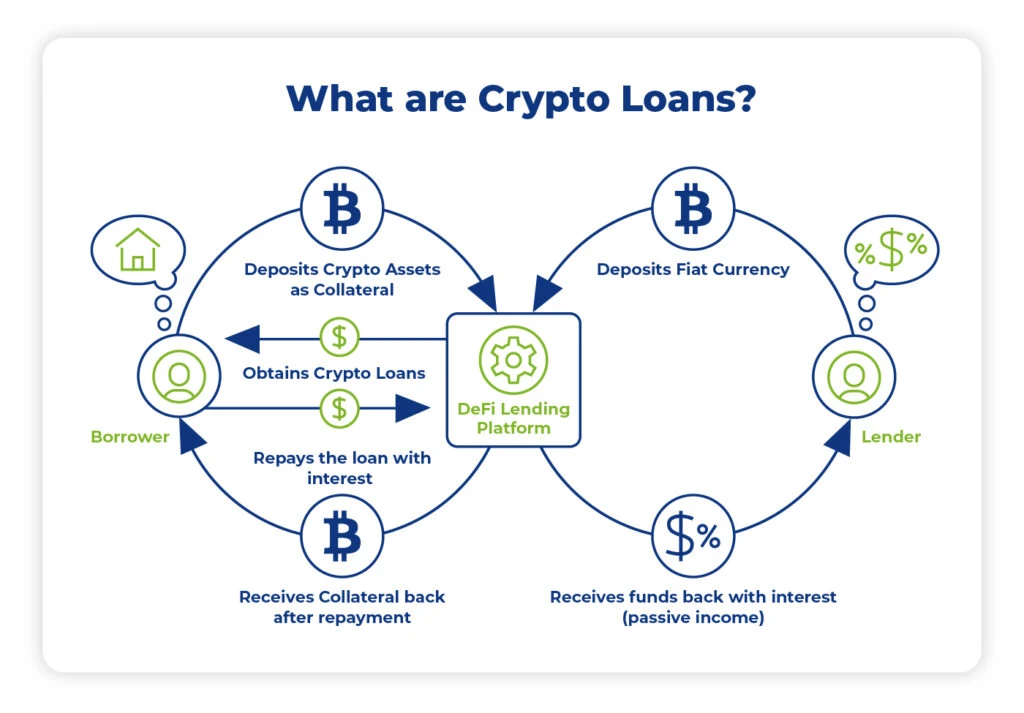
Borrowing against your crypto is not a taxable event and helps to avoid both tax implications and exchange fees. You can borrow stablecoins against a collateral like Bitcoin on most platforms. A personal loan is a liability and not income, they aren’t considered taxable income, and therefore you don’t need to report them on your income taxes.
But be very carefull, if your collateral falls below a certain value a smart contract sells your crypto assets to cover the debt, called a liquidation.
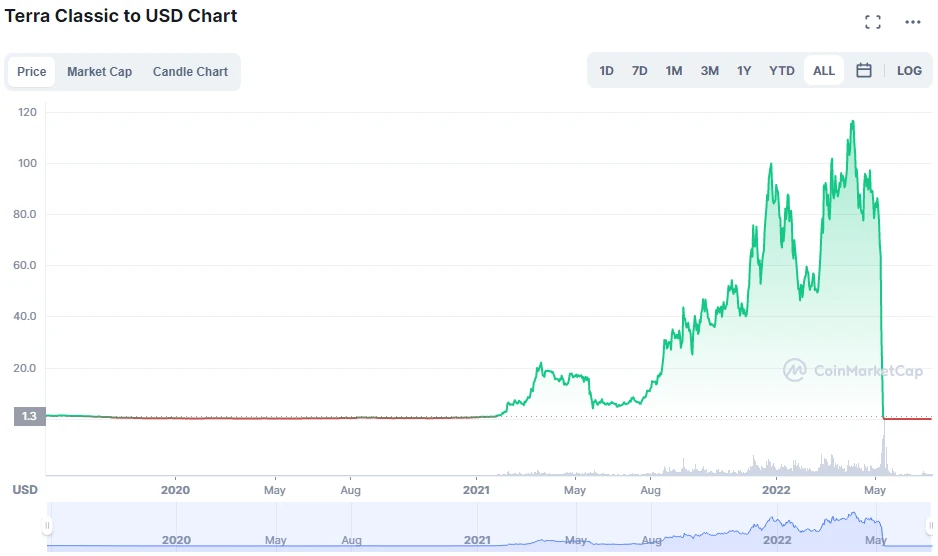
4. Buy Shitcoins and lose everything
Probably the easiest and fastest way to avoid taxes, if you dont make any agains, you dont owe any taxes, at least in most countrys. In many countries, you can offset your net capital losses against your net capital gains. This lowers your overall tax bill, so you pay less or no tax. In fact, most countries even let you carry losses forward to future tax years if you’ve already offset the maximum net capital loss you can that year. But i just hope this is not your plan here.
5. Lose everything in a boating accident
A story as old as time and a little of Bitcoin culture history, a local Bitcoin investor, Chad, 25 has lost his crypto wallet in a boating accident right before tax season.
I’m just so distraught man, I was up 5000% on the year on shitcoins and it’s all gone now, I don’t even know why I brought my crypto wallet onto a boat, a freak accident really.

To make this clear, of course this was a lie to avoid taxes. In addition, your crypto isn’t actually stored on the wallet; it’s on the blockchain. And, you can recover it easily using your seed phrase. Since regulators keep up with know how about blockchain technology the story of an tragic accident probably wont shake of tax authoritys anymore. Lately, in particular, there has been great pressure from regulators about having to declare your private wallets and holdings. In some countries like Italy, they want to know what your crypto wallets are. New regulations and anti-money laundering (AML) rules in European make it almost impossible to use the funds afterwards.